

Copyright © 2025 Towasze.Studio - Todos los derechos reservados.
Copyright © 2025 Towasze.Studio - Todos los derechos reservados.

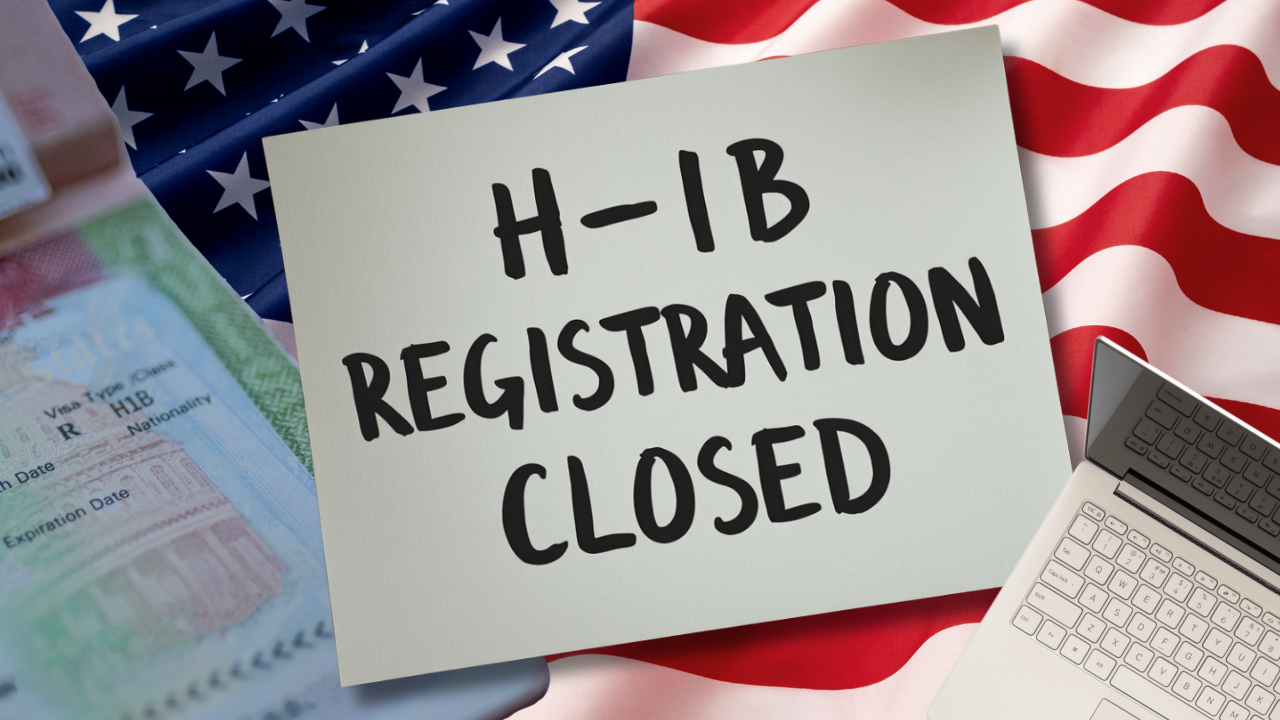
The H-1B registration period officially closed today at 12:00 PM.
But this year is different.
For the first time, USCIS is no longer using a purely random lottery.
Instead, the FY 2027 H-1B cap introduces a wage-weighted selection system, a significant shift that will directly impact selection odds.
Here’s what you need to know.
What Happens Next
USCIS will now begin the selection process.
Over the next several days, employers and attorneys will start receiving notifications through their USCIS online accounts indicating whether a registration has been selected.
If selected:
If not selected:
What Changed: Wage-Weighted Selection
Unlike prior years, selection is no longer random.
This year, registrations are weighted based on wage level using the Department of Labor’s Occupational Employment and Wage Statistics (OEWS) system.
Each registration is assigned entries as follows:
The applicable wage level is determined based on:
If multiple worksites are listed, the lowest applicable wage level controls.
If a private wage survey is used and falls below OEWS Level 1, it will be treated as Level 1.
What This Means in Practice
This change significantly alters selection dynamics.
At the same time, USCIS continues to apply a beneficiary-centric system, meaning multiple registrations for the same individual do not increase their chances. Instead, the system defaults to the lowest applicable wage level for that beneficiary.
A Quick Overview of the H-1B Process
The process still involves two main steps:
Step 1: Registration + Selection
Employers submit registrations during a limited window. This year, selection is weighted—not random.
Step 2: Petition Filing (for selected cases)
Selected registrations may proceed to full petition filing, where USCIS reviews eligibility, job requirements, and qualifications.
Approval is not automatic.
What You Should Be Doing Now
Final Thoughts
This shift toward wage-based selection reflects a broader policy direction: prioritizing higher-skilled, higher-paid positions within the H-1B system.
For employers and applicants, this means that how a role is structured and compensated matters more than ever before.
If you have questions about your case, selection results, or alternative strategies, our team is here to help you navigate the next steps.
Innovative legal strategies paired with outstanding service. Our legal expertise.
Ya sea que tenga una pregunta legal, necesite programar una consulta o simplemente desee obtener más información sobre cómo podemos ayudar, puede contar con nosotros para responder de manera rápida y clara.
Estamos aquí para ayudarle con sus necesidades de inmigración.




.PNG)
.PNG)

