

Copyright © 2025 Towasze.Studio - All rights reserved.
Copyright © 2025 Towasze.Studio - All rights reserved.

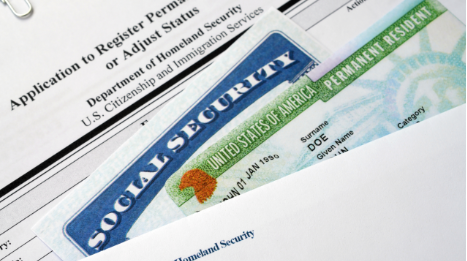
Obtaining a Green Card in the United States allows eligible individuals to become lawful permanent residents. However, Green Card eligibility depends on several factors, including family relationships, employment qualifications, immigration history, and eligibility under certain humanitarian programs. Understanding these requirements can help you determine which Green Card application process may be appropriate for your circumstances.
There is no single pathway to permanent residency. Before applying, you must qualify under an eligible immigration category and meet the applicable requirements under U.S. immigration law.
1. Family-Based Green Card Eligibility
Family-based immigration is one of the most common pathways to obtaining a Green Card. U.S. citizens may petition for certain qualifying family members, including their spouses, unmarried children under 21, parents, and siblings. The eligibility requirements vary depending on the relationship between the petitioner and the applicant.
Lawful permanent residents may also petition for their spouses and unmarried children, although these categories are subject to visa availability and may involve longer waiting periods.
Immediate relatives of U.S. citizens, including spouses, unmarried children under 21, and parents of U.S. citizens who are at least 21 years old, are not subject to annual numerical limits on immigrant visas. However, processing times still vary depending on the application and individual circumstances.
2. Employment-Based Green Card Eligibility
An employment-based Green Card may be available to individuals who meet specific professional, educational, or employment-related requirements.
Eligible categories include certain professionals with advanced degrees, skilled workers, individuals with extraordinary ability, and qualifying investors. Depending on the category, applicants may need employer sponsorship, a permanent job offer, or an approved labor certification.
Some employment-based categories allow eligible individuals to file a petition on their own behalf without employer sponsorship. The appropriate pathway depends on the applicant's qualifications and the requirements of the specific category.
3. Humanitarian Green Card Eligibility
Certain humanitarian immigration programs provide eligible individuals with a pathway to lawful permanent residence.
These pathways may include:
Each humanitarian category has specific eligibility criteria, documentation requirements, and filing procedures. Not everyone who qualifies for humanitarian protection is immediately eligible for a Green Card.
4. Special Immigrant Categories
Certain individuals may qualify for a Green Card through special immigrant classifications established under U.S. immigration law. Eligibility depends on the specific category and may involve particular employment, family, service, or other qualifying circumstances.
Applicants should review the requirements for their specific classification before filing an application.
5. Green Card Admissibility Requirements
Qualifying under an immigrant category is an important first step, but it does not automatically guarantee approval of a Green Card application.
Applicants must also meet applicable immigration admissibility requirements. Depending on the case, this may involve a medical examination, background and security checks, and a review of immigration and travel history.
Certain circumstances, including some criminal convictions, prior immigration violations, fraud or misrepresentation, and periods of unlawful presence, may affect eligibility for permanent residence. Depending on the circumstances, a waiver or other form of immigration relief may be available.
Because immigration laws and eligibility requirements vary by category, reviewing your individual circumstances before filing can help you better understand potential issues and available options.
How Can You Determine If You Qualify for a Green Card?
Determining whether you qualify for a Green Card requires an assessment of your immigration history, family relationships, employment circumstances, and other relevant factors. The appropriate application process depends on your specific situation.
Contact our office at 703-348-1663 to schedule a consultation and discuss your potential Green Card eligibility and immigration options.
Innovative legal strategies paired with outstanding service. Our legal expertise.
Whether you have a legal question, need to schedule a consultation, or just want to learn more about how we can help — you can count on us to respond quickly and clearly.
We’re here to help with your immigration needs.