

Copyright © 2025 Towasze.Studio - All rights reserved.
Copyright © 2025 Towasze.Studio - All rights reserved.

A Major Cost Jump on the Path to Citizenship
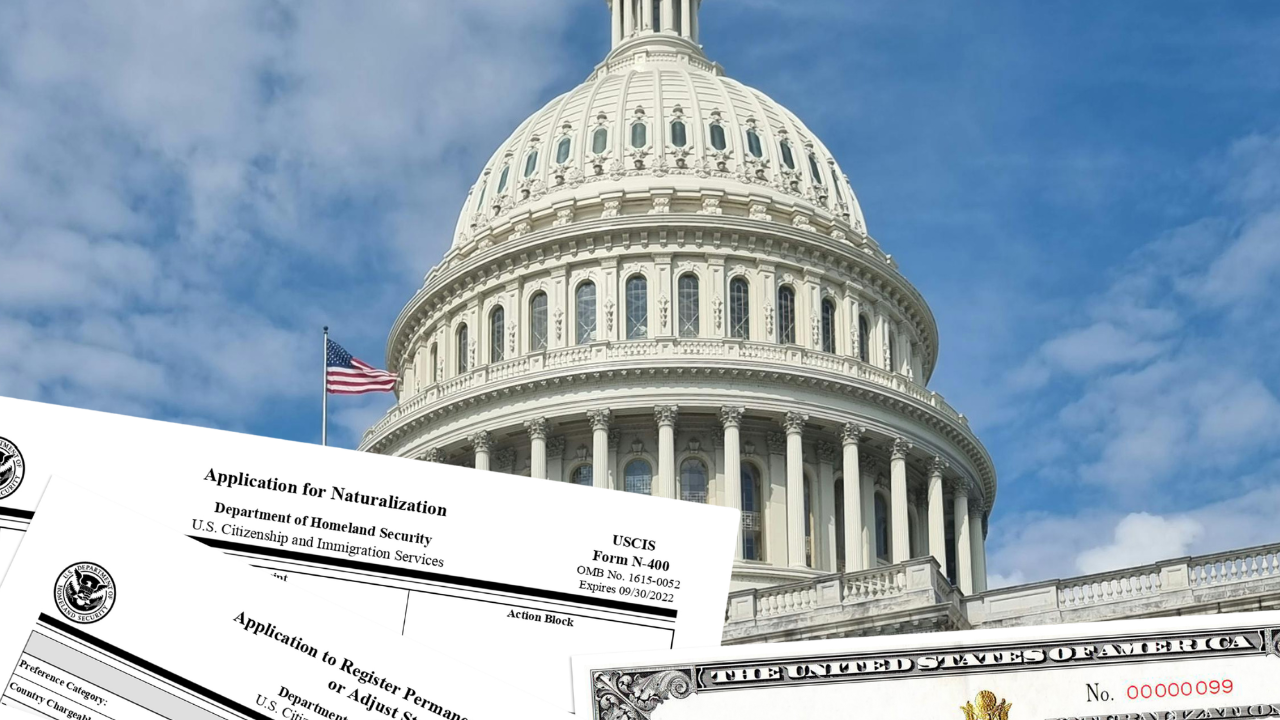
On June 23, 2026, the Department of Homeland Security published a Notice of Proposed Rulemaking in the Federal Register that would significantly raise the cost of applying for U.S. citizenship. Under the proposal, the filing fee for Form N-400, the primary application used by lawful permanent residents to seek naturalization, would increase from $760 to $1,330 for paper filers and from $710 to $1,280 for those filing online, representing a 75 to 80 percent jump. The fee for Form N-336, which applicants use to request a hearing after a naturalization denial, would also rise sharply, from $830 to $1,475 for paper filers. These proposed increases represent some of the largest single-cycle fee adjustments in recent naturalization history.
Fee Waivers and Reduced Fees on the Chopping Block
Beyond the headline fee increases, the proposed rule would eliminate virtually all existing affordability options for naturalization applicants. The reduced N-400 fee currently available to applicants whose household income is at or below 400 percent of the federal poverty guidelines would be eliminated, as would fee waivers for both Form N-400 and Form N-336. The sole carve-out in the proposal preserves fee exemptions for current and former armed forces service members applying for naturalization under applicable statutory provisions. The elimination of waivers is particularly significant: fee waivers have long served as a critical access point for lower-income permanent residents who have otherwise met all eligibility requirements for citizenship.
The Administration's Rationale: Full Cost Recovery
DHS frames the proposed changes as a shift to a "beneficiary-pays" model of fee-setting. The agency contends that current fees for Form N-400 and Form N-336 do not recover the full cost of adjudicating naturalization applications, including enhanced screening and vetting checks being implemented under recent executive orders. DHS also argues that the gap between current fees and actual adjudication costs has caused it to raise fees for other immigration benefit types to compensate, and that eliminating waivers and raising naturalization fees would close that cross-subsidy. Notably, this represents a deliberate policy reversal: prior administrations had intentionally held naturalization fees below full cost to encourage citizenship and integration, a priority the current administration has explicitly set aside.
What This Means for Applicants and What Comes Next
For lawful permanent residents currently weighing when to file for naturalization, this proposal carries significant practical implications. While the rule is not yet final, those who are eligible and financially able to file under current fees may wish to act before any final rule takes effect. The public comment period is open through August 24, 2026, and comments may be submitted through the Federal eRulemaking Portal at regulations.gov under DHS Docket No. USCIS-2026-0265. Advocacy organizations and immigration practitioners are expected to challenge the elimination of fee waivers as an undue barrier to citizenship for lower-income permanent residents who have lawfully resided in the United States for years.
If you or a family member has questions about your eligibility for naturalization or the timing of a citizenship application in light of these proposed changes, the attorneys at Agarwal Law Group are here to help. Contact us today at 703-348-1663 to schedule a consultation.
Innovative legal strategies paired with outstanding service. Our legal expertise.
Whether you have a legal question, need to schedule a consultation, or just want to learn more about how we can help — you can count on us to respond quickly and clearly.
We’re here to help with your immigration needs.




.PNG)
.PNG)

