

Copyright © 2025 Towasze.Studio - All rights reserved.
Copyright © 2025 Towasze.Studio - All rights reserved.

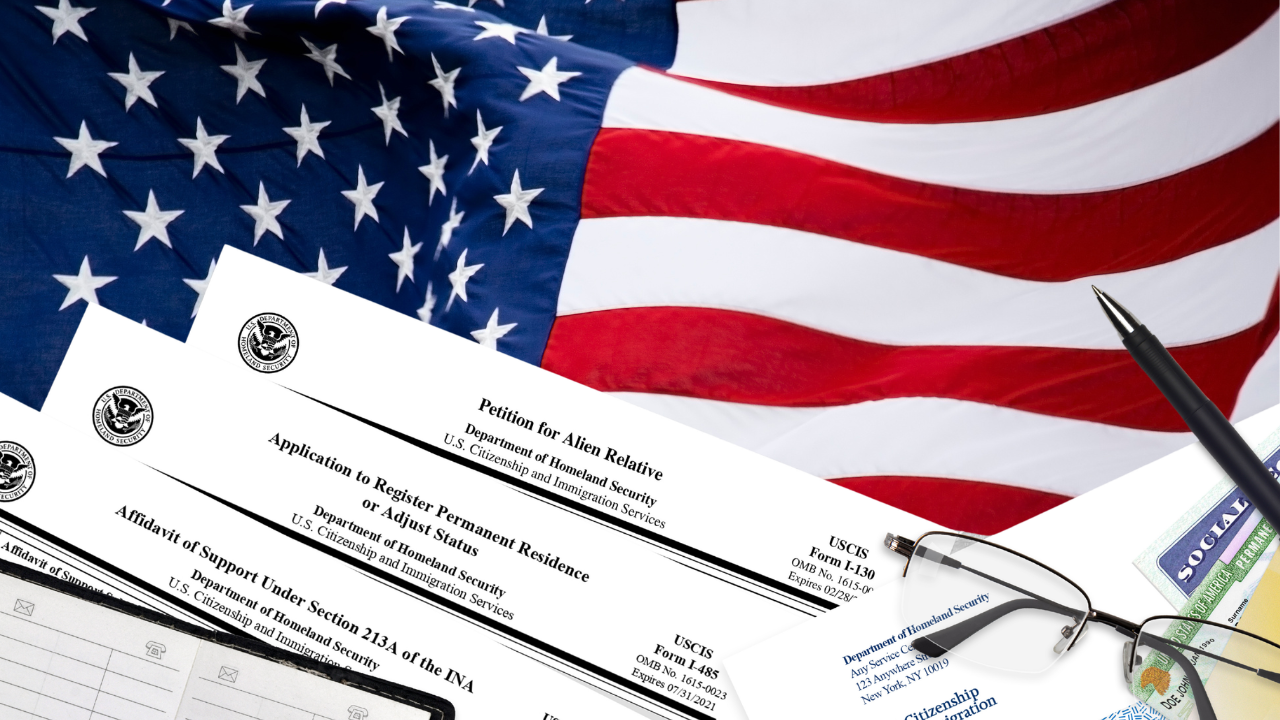
As of August 31, 2026, U.S. Citizenship and Immigration Services requires the use of a new edition of Form I-864, Affidavit of Support Under Section 213A of the INA, dated 08/24/26. Unlike many form transitions that include a grace period allowing filers to use either the old or new edition for a window of time, USCIS implemented this change without one. Any Form I-864 postmarked or electronically submitted on or after August 31, 2026 must use the 08/24/26 edition; the prior 10/17/24 edition is no longer accepted or processed, regardless of when the underlying petition or application was filed. Sponsors, joint sponsors, and the attorneys assisting them should confirm they are working from the current edition before any filing goes out, particularly on cases that may have been in preparation before the transition date.
Substantively, the most significant change in the new edition is the addition of a privacy release authorizing USCIS to request information directly from one or more consumer reporting agencies. This appears to be part of a broader effort to allow USCIS to independently verify a sponsor's financial information rather than relying solely on the documentation submitted with the affidavit. Sponsors should be aware that if they have placed a credit freeze or security freeze on their credit file with any of the major reporting agencies, USCIS may be unable to retrieve the information needed to assess whether the affidavit meets the sufficiency requirements under Section 213A. This could result in a request for evidence or processing delays. We recommend that sponsors check the status of any credit freezes now and be prepared to lift them promptly if USCIS reaches out, since the burden of establishing sufficiency remains on the petitioner and sponsor.
It is also a good moment to remind clients of what they are agreeing to when they sign Form I-864. The affidavit is not a formality: it is a legally binding, enforceable contract between the sponsor and the U.S. government. If the sponsored immigrant later receives means-tested public benefits, the agency that granted those benefits can seek reimbursement from the sponsor, and, if the sponsor does not repay voluntarily, that agency may sue to recover the cost of the benefits along with legal fees and other associated costs. This obligation generally continues until the sponsored immigrant becomes a U.S. citizen, has worked or can be credited with 40 qualifying quarters of work, dies, or permanently loses lawful permanent resident status and departs the United States, it is not satisfied merely by the immigrant obtaining a green card. Anyone considering signing as a sponsor or joint sponsor, including family members asked to step in to meet the income requirements, should understand this is a long-term financial commitment and should not undertake it lightly.
If you are preparing a family-based petition, an employment-based case requiring an affidavit of support, or acting as a joint sponsor for a friend or relative, our office can help ensure the correct form edition is used and that the supporting financial documentation is properly assembled to avoid delays. Please contact our office at 703-348-1663 to schedule a consultation.
Innovative legal strategies paired with outstanding service. Our legal expertise.
Whether you have a legal question, need to schedule a consultation, or just want to learn more about how we can help — you can count on us to respond quickly and clearly.
We’re here to help with your immigration needs.




.PNG)
.PNG)

