

Copyright © 2025 Towasze.Studio - All rights reserved.
Copyright © 2025 Towasze.Studio - All rights reserved.

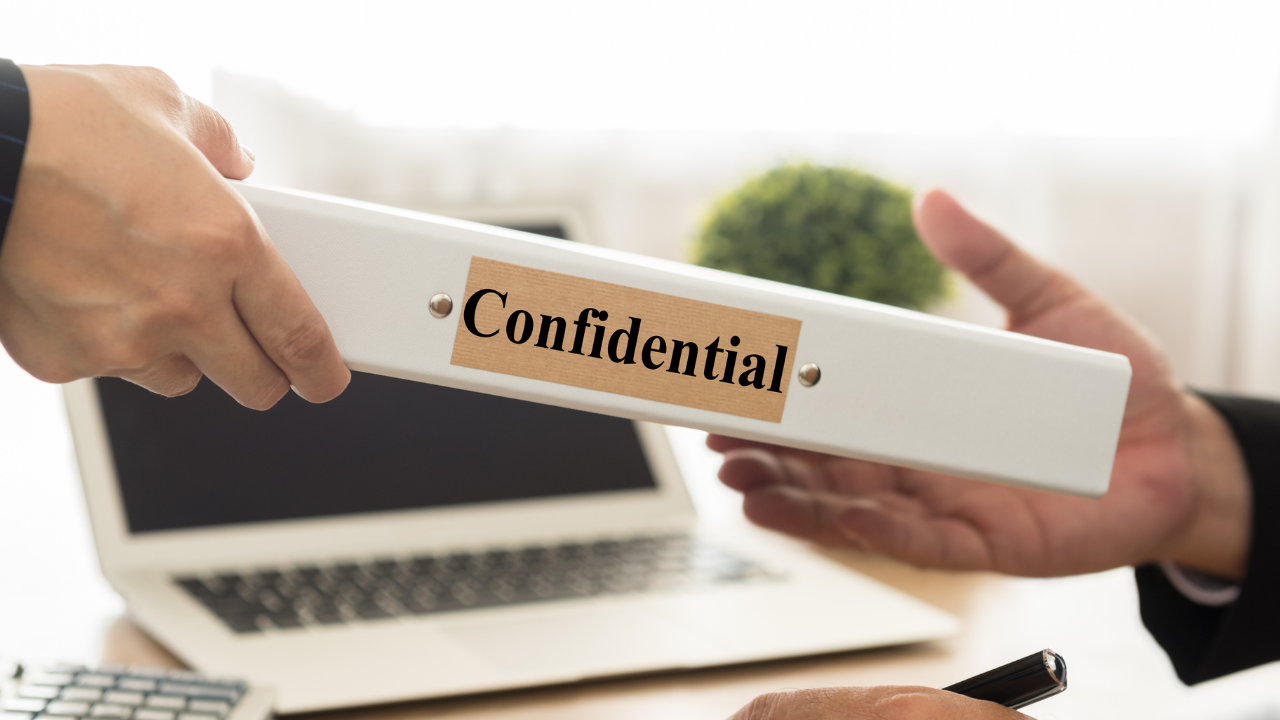
If you file a VAWA (Violence Against Women Act) application, you may wonder whether your information will remain private. The answer is yes. Federal law provides strong confidentiality protections for VAWA self-petitioners.
Under U.S. immigration laws, details of your petition including personal information, your address, and the fact that you filed—cannot be shared with unauthorized persons. USCIS may only disclose information on a limited “need-to-know” basis to other government agencies or law enforcement.
You can request a “safe address” so that USCIS notices do not reach your home. Generally, when working with our firm on a VAWA case or any immigration case, our office address is used as the safe mailing address. Interviews and adjudication are handled by officers trained to work sensitively with survivors, and your abuser will not be notified. In addition, our attorneys represent clients in USCIS interviews.
These protections generally apply while your VAWA petition is pending or approved. Confidentiality may not apply if your petition is denied and appeals are exhausted, or if you or your attorney voluntarily waive it. Limited exceptions exist for law enforcement or judicial purposes.
Most VAWA petitioners can rely on these protections to keep their information private. Using a safe address, including our office address, and following USCIS procedures with an experienced attorney can help maintain confidentiality. For guidance or to start your VAWA petition or any immigration case, contact Agarwal Law Group at 703-348-1663 to schedule a free case evaluation.
Innovative legal strategies paired with outstanding service. Our legal expertise.
Whether you have a legal question, need to schedule a consultation, or just want to learn more about how we can help — you can count on us to respond quickly and clearly.
We’re here to help with your immigration needs.




.PNG)
.PNG)

