

Copyright © 2025 Towasze.Studio - All rights reserved.
Copyright © 2025 Towasze.Studio - All rights reserved.

What Changed
U.S. Citizenship and Immigration Services has issued Policy Alert PA-2026-03, updating the USCIS Policy Manual's guidance on what qualifies as a valid signature on immigration benefit requests. The policy alert accompanies an interim final rule, "Signatures on Immigration Benefit Requests," which took effect on July 10, 2026. Under the new guidance, USCIS may reject or deny a benefit request at any point, even after the agency has already accepted it for filing, if it later determines the request lacks a valid signature. USCIS has stated the change is meant to confirm that a requestor's signature reflects their genuine intent, reduce fraud, and strengthen the integrity of the benefits process.
What Counts as a Valid Signature
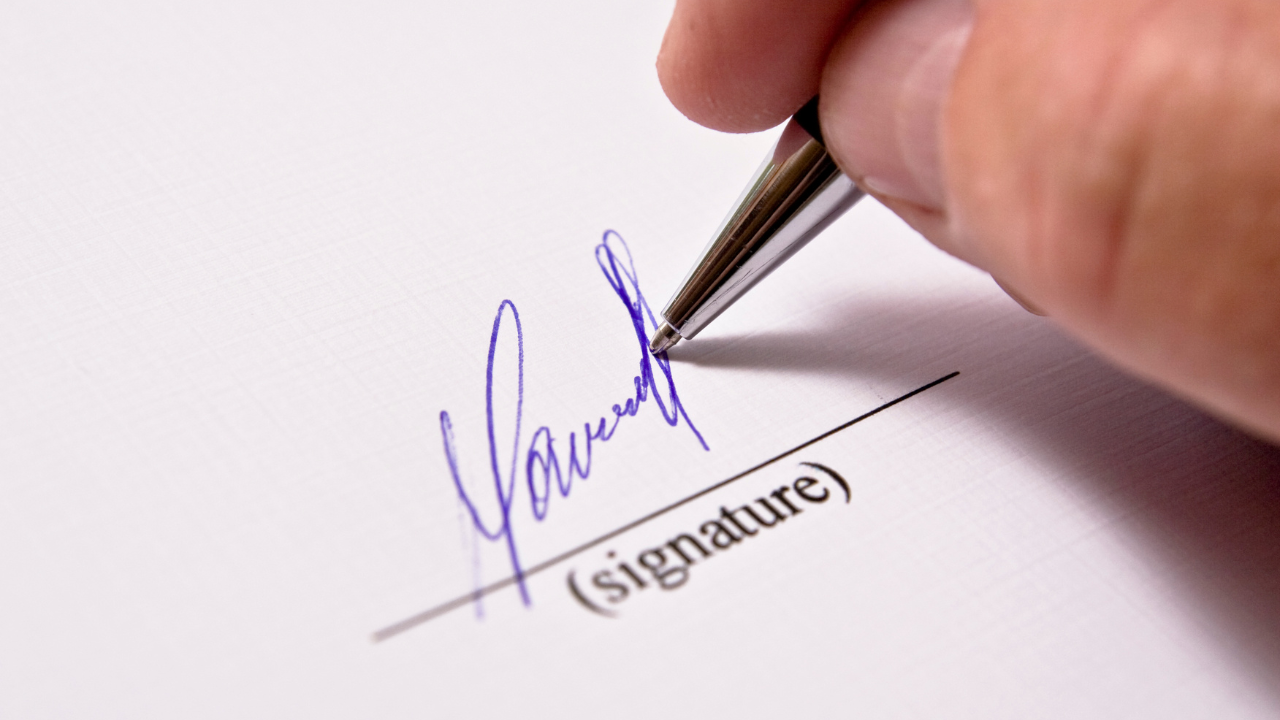
The updated guidance confirms that a requestor generally must sign their own benefit request personally before it is filed. A representative may not sign on the requestor's behalf unless a statute, regulation, or form instruction specifically permits it. USCIS will accept an original handwritten wet-ink signature, as well as a photocopied, scanned, or faxed reproduction of a document that bears an original wet-ink signature. Electronic signatures are valid only when generated through the signature process built into a USCIS online account during electronic filing, or where otherwise permitted by regulation or form instructions. Under the new guidance, an image of a handwritten signature that has been copied, pasted, or otherwise inserted into a document is not a valid signature. USCIS has also clarified that it may request the underlying original signed document at any time when a reproduced signature is submitted.
Why This Matters for Filers
This guidance applies broadly across most USCIS benefit categories, including family-based petitions, adjustment of status applications, employment authorization requests, advance parole applications, and naturalization applications. Because USCIS may act on a signature defect even after a filing has been receipted, applicants and petitioners should not assume that acceptance of a filing fee or issuance of a receipt notice confirms that the signature requirements have been met. If USCIS denies a request on this basis, the agency may retain the filing fee and treat the matter as fully adjudicated, which can have significant consequences for filing deadlines and status.
Practical Takeaways
Given this heightened scrutiny, it is important to confirm the correct signature method before any benefit request is submitted, particularly where electronically prepared documents are involved. USCIS is currently accepting public comments on the interim final rule through August 10, 2026, so further refinements to this guidance may follow. In the meantime, applicants and petitioners should treat signature compliance as a substantive filing requirement rather than a formality.
If you have questions about how this policy may affect a pending or upcoming filing, please contact Agarwal Law Group at 703-348-1663.
Innovative legal strategies paired with outstanding service. Our legal expertise.
Whether you have a legal question, need to schedule a consultation, or just want to learn more about how we can help — you can count on us to respond quickly and clearly.
We’re here to help with your immigration needs.




.PNG)
.PNG)

